Mind-Body Therapy in Sri Lanka
Tantra + Psychology
ACT II
Bridging Psychology and Tantra
Your mind
Your mind might be your biggest strength or your biggest enemy in life.
Achieving mindfulness and being aware of your mental health helps you to achieve a greater understanding and thus awakening.
The mind is the key to everything; unlock it and you will be free.
Understanding trauma
Trauma is known as the psychological distress following exposure to a traumatic or stressful event.
The only certain thing about life is it’s uncertainty; trauma is inevitable.
Unaddressed trauma blocks your ability to reach an awakening.
Trauma becomes your shadow, following you. It is the echoes of pain that linger on until you address and acknowledge them.
“Healing is a journey, not a destination”
The nervous system is like a super-fast messaging network in your body. It helps you:
-
Think and feel
-
Move and react
-
Sense things like touch and pain
-
Control bodily functions
It’s made up of the brain, spinal cord, and nerves. Your brain is connected to the spinal cord and through it connects your entire body.
Your brain and spinal cord are like the ultimate HQ and command center, transmitting signals that control everything from movement to thoughts.
The human nervous system comprises of two primary branches:
-
Sympathetic Nervous System (SNS): responsible for the ‘fight-or-flight’ response, modulating stress, arousal, and energy mobilization.
-
Parasympathetic Nervous System (PNS): promotes relaxation, reduces stress, and supports restorative processes, often referred to as the ‘rest-and-digest’ system.
These complementary systems interact to maintain homeostasis, regulating various physiological processes, including heart rate, respiration, and digestion.
A key part of the parasympathetic nervous system is the vagus nerve.
The vagus nerve, also known as the “wanderer” nerve, is a complex network of fibers that connects the brain to various organs, including the heart, lungs, and gut. It’s like a super messenger, transmitting signals that influence:
-
Heart rate and blood pressure
-
Digestion and gut health
-
Respiratory rate
-
Mood and emotional regulation
It’s a key player in the body’s relaxation response, helping to calm things down and promote balance.
The vagus nerve follows a similar path to the chakras, from the root chakra to the crown chakra, biologically extending from the brain to base of the spine.
Impact of Trauma on Nervous System
Our brains are the result of development throughout millions of years. Often, the brain evolved in part from walking. Our ancestors used to walk miles hunting for food, avoiding dangers, for shelter, etc.
The Sympathetic Nervous System (SNS) is developed as a result of evolution from facing many dangers to humankind.
When you are faced with a traumatic event or danger, your SNS is activated, which turns your body for 4 types of responses according to recent psychology research, called the 4F response.
The 4F response framework describes how animals, including humans, react to danger:
-
Fight: confront the threat head-on
-
Flight: flee from the danger
-
Freeze: become immobile, assessing the situation
-
Fawn: appease or placate the threat, often through submission or people-pleasing
These instinctual responses help individuals protect themselves and survive in threatening situations.
WHEN IT TURNS TRAUMATIC
Traumatic events, dangers, or facing constant abuse, and past childhood trauma can cause your body to be stuck in this SNS activated mode for longer periods of time.
This in turn makes your body vulnerable both physically and mentally, with many autoimmune diseases, disorders like eating and obsessive compulsive, addictions to cope, self-harm activities, etc.
Examples include:
-
Porn / Sex / Drug addictions
-
Fibromyalgia-like immune disorders
-
Complaints of constant muscle pains and tightness in the body that isn’t medical
-
Self-harm activities and engaging in dangerous activities
-
Eating disorders
-
Obsessive behaviors
-
Maladaptive daydreaming
-
Constant Sinus issues
-
Hypersensitivity to light and sounds ( A very common 4F sign that your body is always in SNS mode )
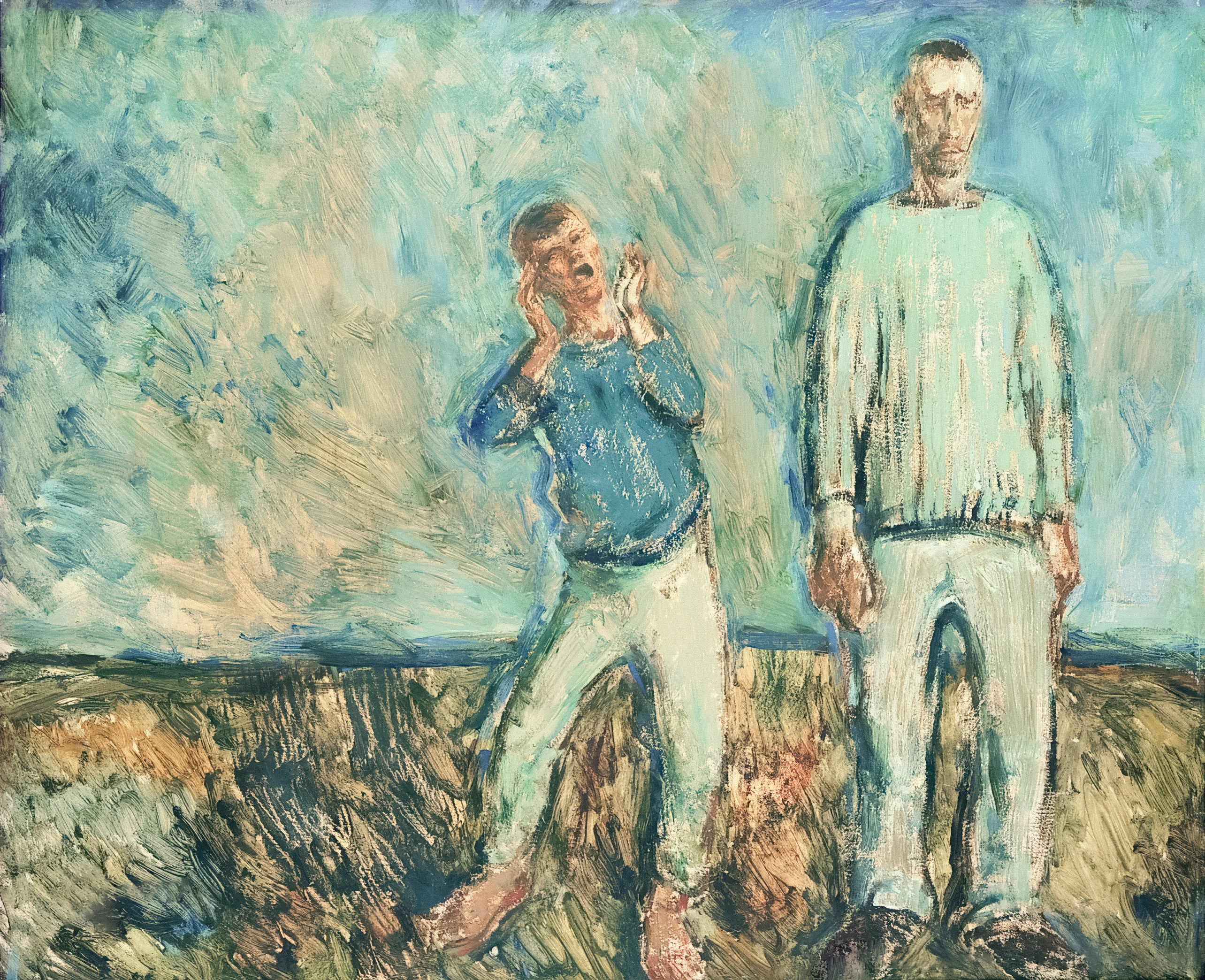
Common signs of emotional trauma
-
Anxiety and depression
-
Perfectionism or underachievement
-
Chronic stress
-
Mood swings- anger, sadness etc.
-
Low self esteem
-
PTSD and/or C-PTSD
-
Isolation or withdrawal from friends, family etc.
-
Substance abuse (drugs, alcohol, porn etc.)
-
Intrusive feelings of guilt or shame
-
Difficulties in forming relationships including friendships
-
Trust and bonding issues
-
Nightmares and sleeping issues
-
Unusual fears
-
Self harm attempts
-
Negative self view

Common signs of sexual trauma
-
Shameful Intrusive feelings (PTSD/C-PTSD)
-
Anxiety in dating or difficulties in establishing relationships
-
Disconnected during sex or thinking sex is an obligation
-
Hyper-sexual activity / low libido
-
Anger/ disgust/ guilt / fear to touch
-
Orgasmic difficulties or avoidance of orgasms
-
Difficulty in trust
-
Feeling emotionally distant
-
Avoidance / being afraid of sex
-
Flashbacks/ being triggered during sex
-
Hyper dependence on sex toys and other equipment
-
Unusual sexual and intimacy fears
-
Distorted self-perception
-
Medical conditions e.g.- pelvic pain, dyspareunia, vaginismus
-
Rejection Trauma
-
Symptoms:
-
Making negative assumptions about what others are thinking easily
-
You’re wary about letting people in to your life
-
You find compromise difficult and challenging
-
People Pleasing behavior
-
You have a hard time trusting and opening up to people with your feelings
-
-
-
Injustice Trauma
-
Symptoms:
-
Muscle pain like Chronic chest or back pain
-
Feeling fatigued or drained most of the time
-
Unpredictable and irrational emotional behaviors
-
Disorientation and short attention spans
-
Isolating and cutting oneself off from people, society and seeking help etc.
-
-
-
Betrayal Trauma
-
Symptoms:
-
Difficulty with recognizing, expressing, or managing emotions
-
Anxiety, depression, other mental health issues
-
Regular Nightmares
-
Physical pain or stomach issues
-
Panic attacks
-
-
-
Abandonment Trauma
-
Symptoms:
-
Constant Fear of being left behind or abandoned
-
Inability to form healthy relationships
-
Low self-esteem and feelings of low self-worth
-
Anxiety and insecurities
-
Depression
-
-

Trauma and body
The pains that linger on, “Trauma” is stored in the body and thus blocks your energy transfer through chakras.
If you are physically healthy with no medical complications you may feel these as pain or tightness.
Where your body stores emotions:
Shoulders – Stress and trauma ( e.g., tingling in entire arms due to shoulder veins )
Chest – Heartbreak and unexpressed sadness ( e.g., compulsive smoking )
Knees – Resistance to change and moving forward ( e.g., shaking knees )
Jaw – Repressed anger and unsaid words ( e.g., teeth clenching while sleeping )
Stomach – Anxiety and emotional trauma ( e.g., irritable bowel syndrome )
Neck – Suppressed truth and inner conflict ( e.g., neck pains, compulsive twitching )
Lower back – Fear of survival and instability ( e.g., lower back pain is mostly due to survival woes like financial instability )
Hips – Buried feelings and unprocessed grief ( e.g., tight hips are a sign of trauma; also, cortisol starts building around the hip area due to stress )
Hands – Not being in control ( e.g., tingling hands is a sign of stress and overthinking )
“The brain doesn’t know the difference between an imagined scenario and an actual scenario”
Therefore, your biological stimuli is the same, whether you are reliving your trauma in your mind or facing an actual danger.
When a survivor experiences a trigger (a memory, a sound, a sight), the brain’s alarm system (the amygdala) can activate the stress response (fight, flight, freeze, fawn) just as if the danger were happening in real-time. This leads to the secretion of stress hormones (like cortisol and adrenaline), causing the body to prepare for a threat that only exists internally. This is why trauma survivors often live in a state of hyper arousal or feel constantly “on edge.”
You secrete the same hormones and your body prepares just the same.
Without identifying, addressing, and being aware of your trauma, you will continue to relive it until you dissociate from your body and live in a state of watching it go on.
Dissociation and overthinking is very common with trauma survivors.
-
Dissociation is a psychological defense mechanism where the mind detaches from the current reality or emotional experience to cope with overwhelming distress.
-
Overthinking (or rumination) is often a way the brain tries to gain control, predict danger, or mentally “solve” the trauma to prevent it from happening again.
Traumatic people often think their situation and trauma will not end.
Addictions are not your enemy, they are the solution to your problems
We all were told to stop our addictions and hate them, but they actually are the coping mechanisms of the traumatic event or the stress we are facing inside.
You must, first:
-
Identify the root cause of your addictions, i.e., past trauma.
-
Address it by seeking professional mental help, practising mindfulness.
-
Learn to be aware and manage your emotions in the future.
“Learning to tolerate and handle deep emotions is the recovery from trauma”